Steel structure buildings are a type of building that uses steel as the primary structural material. Due to their high strength, lightweight, and ease of construction, they are widely used in industrial, civil, and infrastructure construction. The following is a detailed analysis of the materials, design, construction, and related requirements for steel structure buildings.
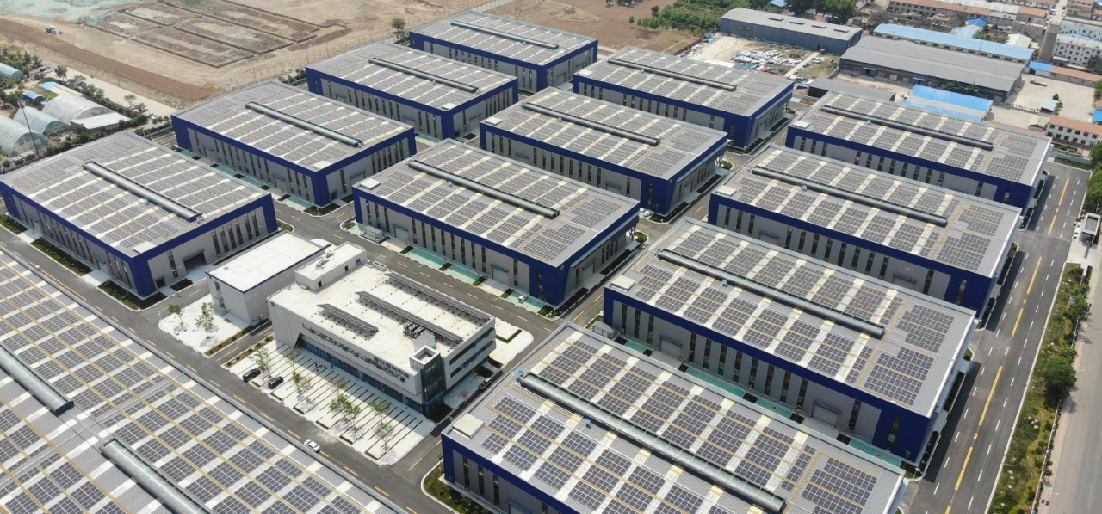
一. Material Classification of Steel Structure Buildings1. Pure Steel Structure
Uses pure steel as the building structure, without concrete, offering high strength and flexibility.
2. Steel-Concrete Composite Structure
Combines steel and concrete, improving overall performance through a composite structure, often used in buildings requiring high load-bearing capacity.
3. Classification by Material
Hot-rolled steel structure: Made of hot-rolled steel sections, suitable for conventional buildings.
Heat-treated steel structure: Heat-treated to improve steel performance, suitable for high-strength requirements.
Cold-formed thin-walled steel structure: Cold-formed to create thin-walled components, suitable for lightweight buildings.
Material selection requires comprehensive consideration of building function, geological conditions, and economic efficiency.
二. Design of Steel Structure Buildings1. Structural Design
Multi-span rigid frame: Provides greater span and internal space through internal support columns, suitable for commercial and residential uses.
Comprehensive protection design: Fireproofing and corrosion protection are key design considerations, requiring the use of coatings, spraying, or cladding materials.
2. Application of Design Software
Use professional software to create construction drawings, ensuring the design meets client specifications and budget requirements.
三. Construction Process of Steel Structure Buildings1. Material and Design Preparation
After finalizing the blueprints, use professional software to generate construction drawings and review and approve the design.
2. Manufacturing Stage
Manufacture individual components according to the construction drawings, including beams, columns, etc., ensuring precise fabrication.
3. On-site Installation
Component Transportation: Transport the fabricated components to the construction site.
Installation Process: Use heavy equipment such as cranes and precision measuring tools to hoist and secure the components in place, ensuring installation accuracy meets requirements.
Node Treatment: The assembly of nodes in complex spatial structures requires precise techniques to ensure structural stability.
Welding and Connection: Use high-strength bolts and welding technology to ensure the quality of node connections.
4. Anti-corrosion and Fireproofing Treatment
Utilize advanced coatings and materials for anti-corrosion and fireproofing treatment to ensure the building's service life and safety.
四. Quality Control and Acceptance1. Raw Material Inspection
Verify that steel, welding materials, bolts, etc., meet quality standards, and conduct witnessed sampling and testing.
2. Sub-item Project Acceptance
Welding, fastener connections, etc.: Each sub-item project requires an independent inspection batch to ensure qualified quality standards.
Painting Inspection: Strictly control paint thickness, uniformity, and defect-free requirements to ensure protective effect.
3. Sub-project Acceptance
Acceptance includes welding, fastener connections, component installation, etc., and must comply with GB503002013 and GB502052020 standards.
五. Safety and Maintenance Requirements1. Construction Safety Management
Focus on working at heights, electrical safety, and mechanical equipment safety to ensure the safety of personnel and equipment during construction.
2. Maintenance
Regularly inspect the steel structure to prevent corrosion and damage and extend its service life.
VI. Advantages and Applications of Steel Structure Buildings
1. Advantages
High-efficiency construction: Factory production and rapid on-site installation shorten the construction cycle.
Environmentally Friendly and Sustainable: High steel recycling rate, aligning with green building principles.
Flexible Design: Adaptable to diverse building functions and complex spatial requirements.
2. Application Areas
Industrial Buildings: Such as factories, warehouses, and bridges.
Civil Buildings: Including residences, office buildings, and commercial complexes.
Infrastructure: Such as stadiums, train stations, and airports.
SummarySteel structure buildings, with their high efficiency, environmental friendliness, and flexibility, have become an important form of modern construction. From material selection to construction and installation, every step requires meticulous management to ensure the safety, functionality, and sustainability of the building.


